
Journées scientifiques 2026
Projet VERTIQUAL
Journées scientifiques 2026
Projet VERTIQUAL
Journées scientifiques 2026
Projet VERTIQUAL
On Wednesday 21 October, the amphitheatre of the Allier departmental archives in Moulins hosted the VERTIQUAL scientific day. A dozen talks covered everything from the history of extractive industries to current subsurface governance issues.
These two days allowed the analyses of the human and social sciences to be tested against a landscape where mining history, current operations and future projects overlap.
The morning took a long-term view and focused on controversies. Olivier Saint-Hilaire gave an overview of the environmental history of France’s metal mining industry in the 19th and 20th centuries, between exploitation, speculation and pollution. Sylvain Le Berre then addressed the Lyon-Turin controversy and the requalification of the subsurface, followed by Jérôme Arnaud, who looked at the use of comics in subsurface controversies. Anne-Sophie Milon closed the morning with fieldwork findings on geothermal energy in Guadeloupe.
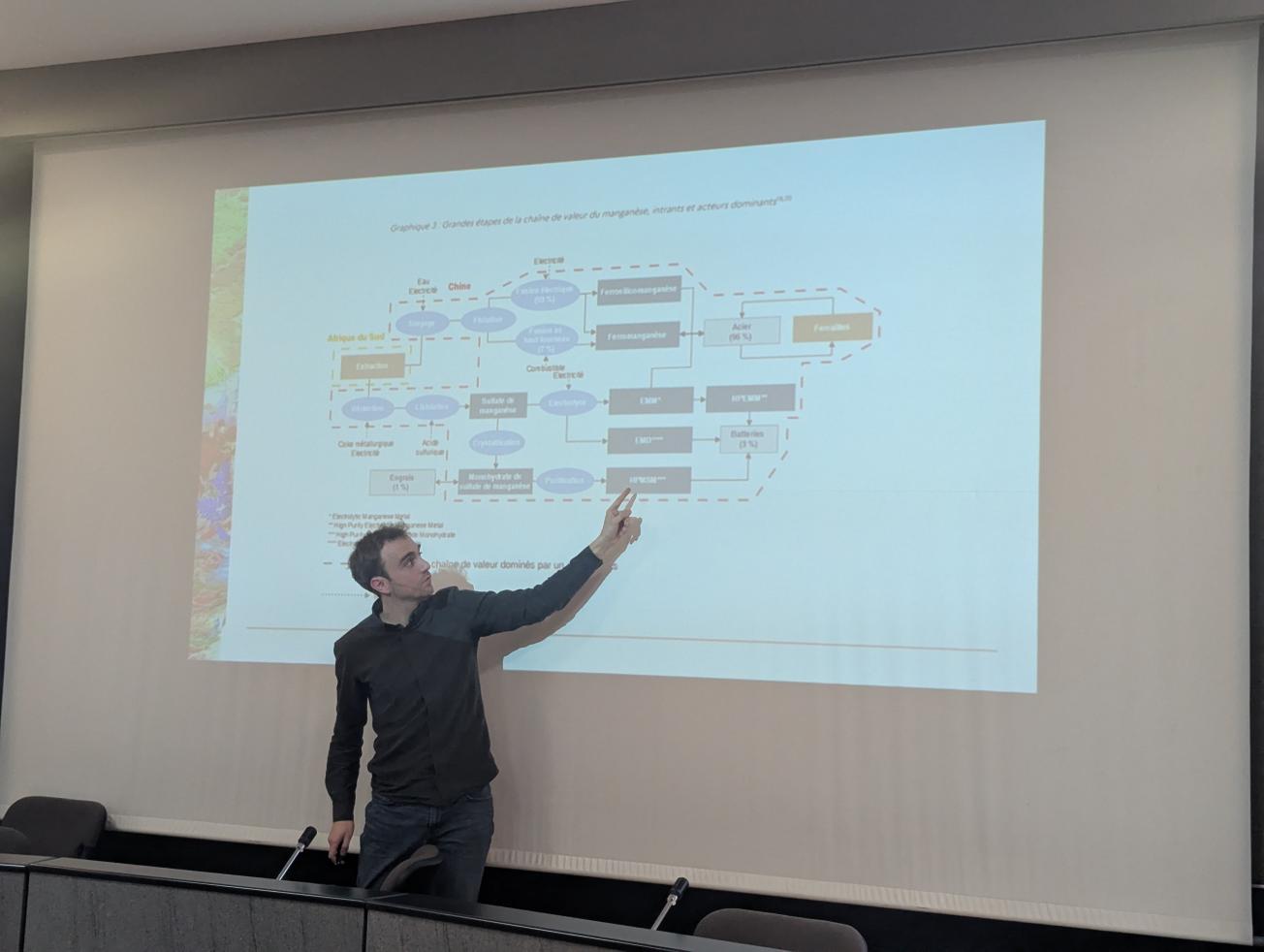
The afternoon focused on actors, industrial sectors and frameworks for action. Philippe Chavot and Anne Masseran presented the role of citizens and seismicity monitoring as a tool for mediation. Nicolas Hercelin analysed the reshaping of battery-grade manganese value chains (actors, territories, financing), while Sébastien Chailleux addressed the “climatization” of subsurface industrial sectors. Capucine Zurcher-Nouvel traced the origins, legal scope and current standing of the national policy on subsurface resources and uses (PRUSS). After a talk by Geoffrey [SURNAME AND TITLE TO BE ADDED], Alexandre Violle and Brice Laurent closed the day by returning to the notion of “Sous-sol, bien commun” (the subsurface as a common good).
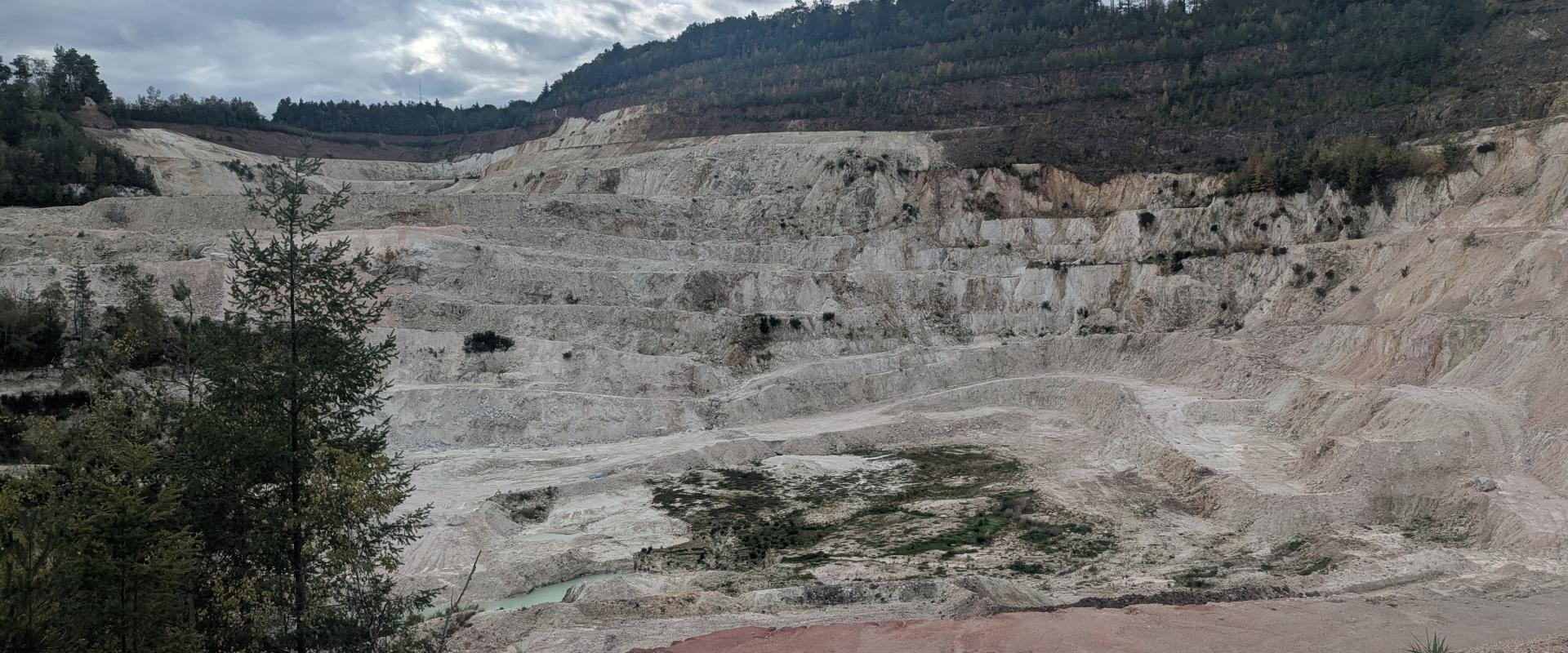
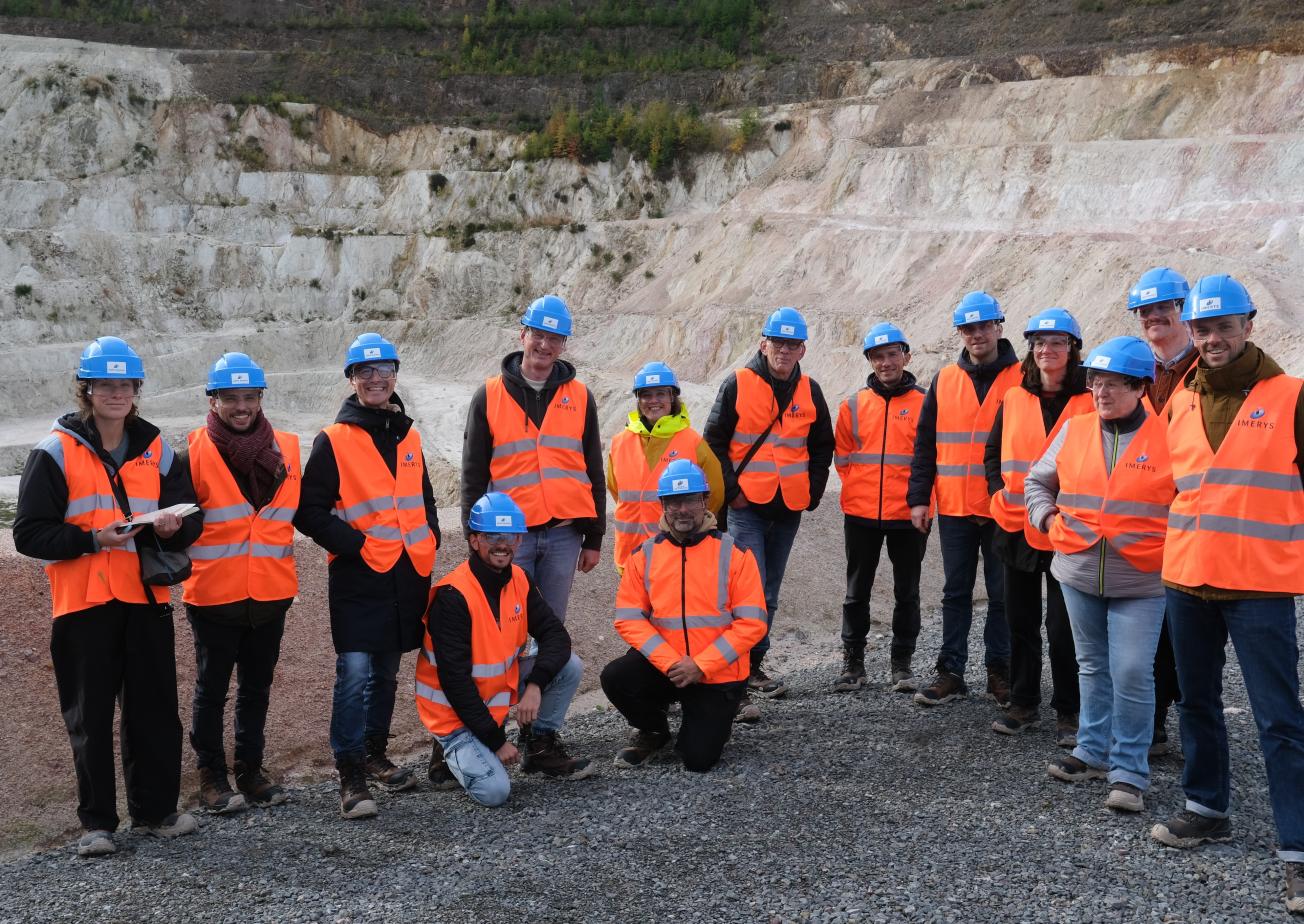
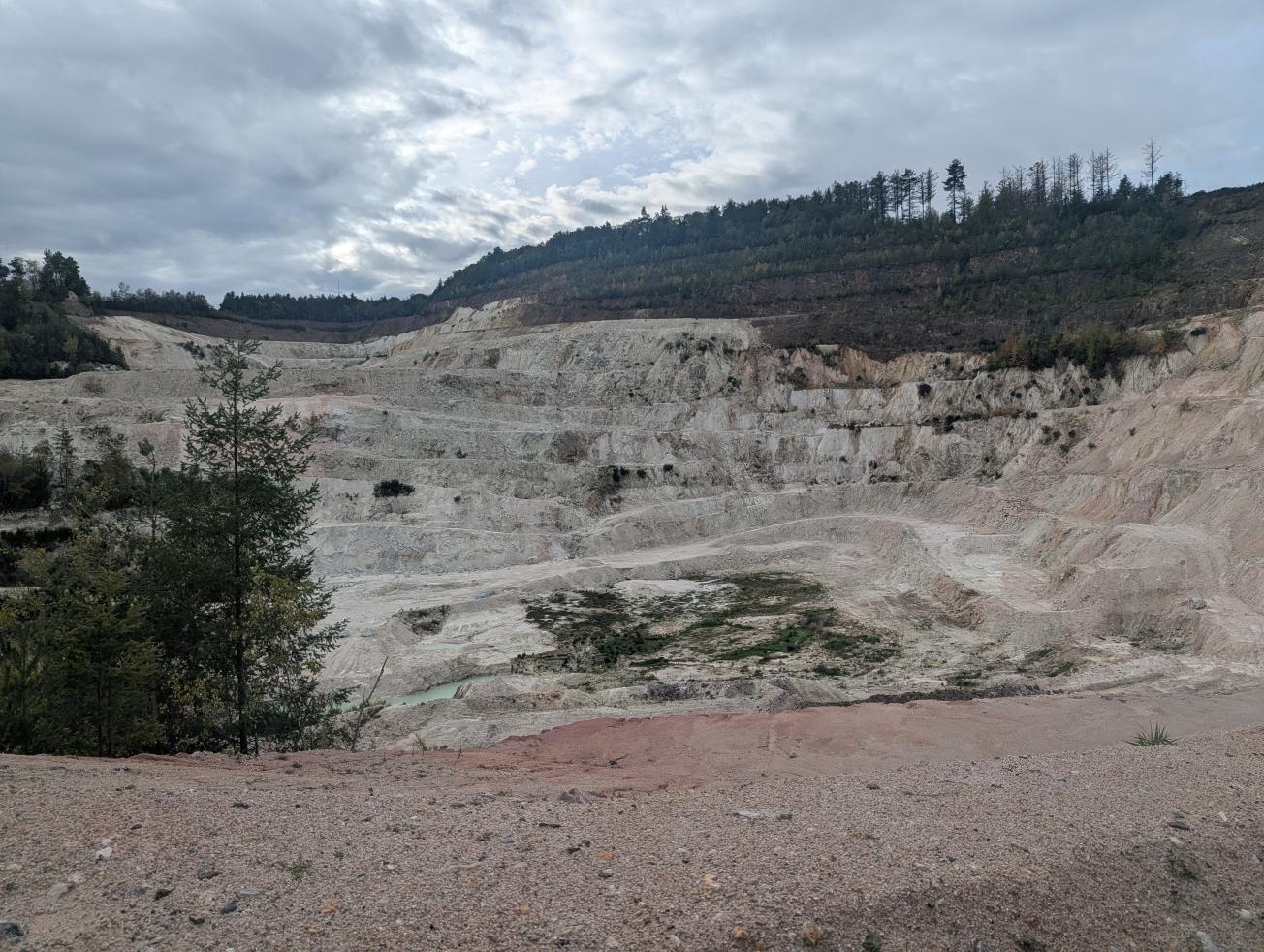
The next day, the team travelled to Échassières, about 70 kilometres from Moulins. The morning was devoted to a 1.5-hour guided tour of Imerys’s Beauvoir site, which includes the kaolin quarry and the future lithium mine site, followed by a discussion with the operators. After lunch at the Auberge Le Ris blanc, the group visited Wolframines, a museum dedicated to local mining history, and in particular to tungsten mining, guided by local historian Jean-Christophe Thénot.
Coordinated by Sébastien Chailleux (Sciences Po Bordeaux, Centre Émile Durkheim), the VERTIQUAL project brings together researchers in history, political science, information and communication sciences, geography, anthropology and science and technology studies. It starts from a observation: the decline of subsurface exploitation in France at the end of the 20th century made its resources less visible and fragmented debates about their uses, even as the ecological transition is bringing the subsurface back to the fore. Its work is organised around four axes: socio-technical legacies, in particular the compromises struck between mining companies and local residents in the past; the mapping of actors and of the dynamics of politicization, between the State’s renewed investment and alternative regulations emerging from the ground; the comparison of different subsurface uses and their controversies; and, together with the ANTICIP and JPEC projects, the production of a manifesto on what it means to think of the subsurface as a common good.